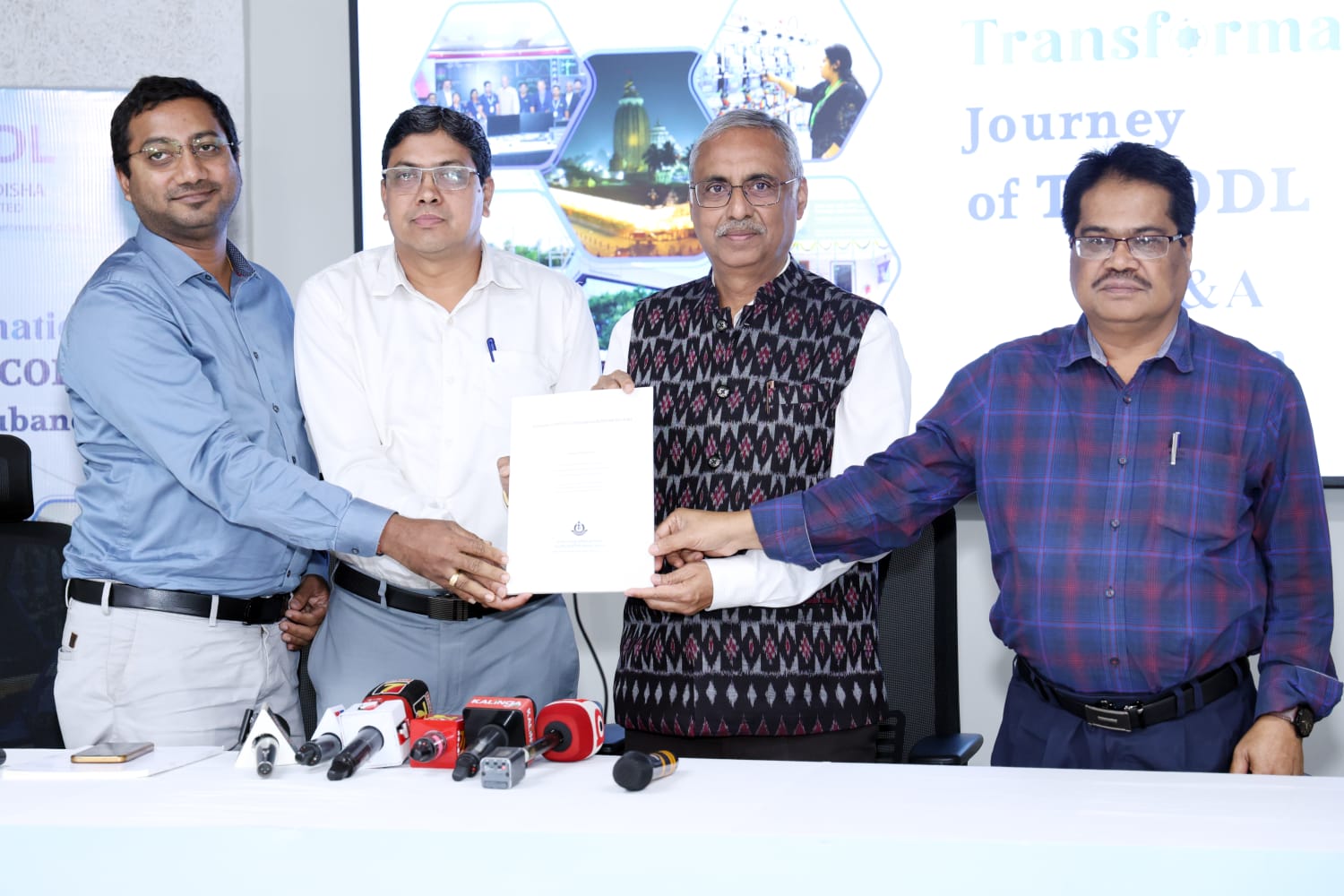
IIT Bhubaneswar Releases Study on Tata Power led Central Odisha Discom’s Power Distribution Reforms
Bhubaneswar, 2nd February 2026: The Indian Institute of Technology (IIT) Bhubaneswar has released a study on the power distribution performance of TP Central Odisha Distribution Limited (TPCODL), a joint venture of Tata Power and Government of Odisha, examining how network reliability, operational efficiency, technological interventions and customer service delivery have evolved over a five-year period following distribution sector reforms. The study evaluates the outcomes of sustained capital investment, network modernisation and the progressive adoption of digital technologies in the distribution network.
The study has been prepared by Prof. Chandrashekhar Bhende (Professor), Dr. Chandrasekhar Perumalla (Associate Professor) and Dr. Abhineet Prakash (Assistant Professor) from the Department of Electrical Engineering, School of Electrical & Computer Sciences, IIT Bhubaneswar. It assesses the performance of TPCODL, which serves a populace of 1.36 crore across 29,354 sq. km in Central Odisha. The analysis is based on field inspections, validation of system data and a review of operational and consumer service practices across both urban and rural areas.
A key observation of the study is a significant reduction in outage duration, reflected in an improvement of approximately 50% in the System Average Interruption Duration Index (SAIDI) over the review period. This improvement indicates a more stable and resilient distribution network supported by enhanced fault detection, faster fault isolation and improved restoration processes, which have also contributed to a reduction in transformer tripping rates and transformer failure rates.
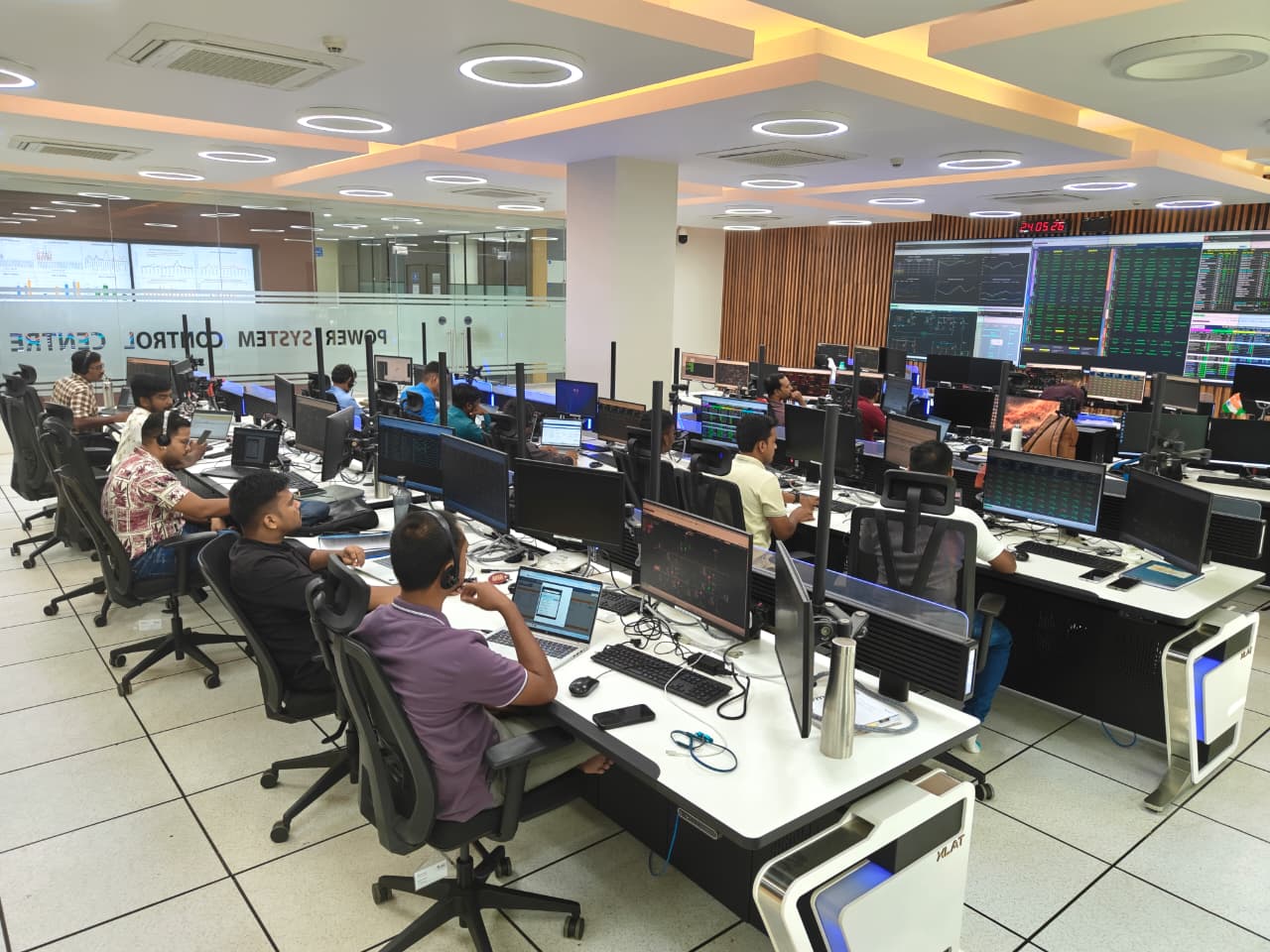
The study also records notable progress in operational efficiency, with Aggregate Technical and Commercial (AT&C) losses declining from around 30% at the start of the reform period to 18.94% in FY’25. This improvement has been driven by better operational control, improved billing processes and enhanced network efficiency, supported by a 44% addition in 33 kV feeders, a 42% addition in 11 kV feeders and the integration of 250 substations into a centralised control centre. Over the five-year period, capital investments exceeding ₹1,500 crore have been directed towards strengthening substations, expanding automation coverage, deploying digital monitoring platforms and enhancing overall network resilience.
The study notes that focused efforts to develop a cyclone-resilient distribution network, including infrastructure strengthening and redundancy planning, have resulted in restoration of power within 24 to 48 hours in cyclone-affected areas, demonstrating improved preparedness and response capability.
Commenting on the report, Prof. Chandrashekhar Bhende, Professor, IIT Bhubaneswar said, “This assessment of Tata Power led Central Odisha Discom serves as an objective diagnostic for long-term public service improvement. As the Odisha distribution reform model gains national attention, our findings highlight how high-tech automation, combined with a strong safety-first work culture, can support sustainable outcomes. We observed a clear shift toward greater operational discipline. Institutionalising these practices is helping the discom narrow the urban–rural service divide and build a more resilient, modern grid that benefits consumers.”
Prof. Chandrasekhar Perumalla, Associate Professor, IIT Bhubaneswar added: “Our independent study at IIT Bhubaneswar, supported by extensive field assessments ranging from centralised control centres to remote rural, confirms a consistent upward trajectory in Tata Power led Central Odisha Discom operational efficiency. We observed the tangible impact of smart infrastructure investments, particularly in enabling rapid service restoration through mobile and digital platforms. While urban areas have recorded a significant reduction in power interruptions, the study also highlights the opportunity to further strengthen networks in remote regions to achieve comparable reliability standards.”
Strong emphasis is placed on consumer centricity and the evolution of service delivery mechanisms. The study highlights the expansion of consumer service avenues, including a 24×7 call centre and 20 Customer Care Centres, the availability of multiple digital payment options and the wider use of digital platforms for complaints, service requests and information dissemination. Improvements in billing accuracy, a significant reduction in provisional billing and proactive customer communication have contributed to enhanced transparency, customer trust and service quality.
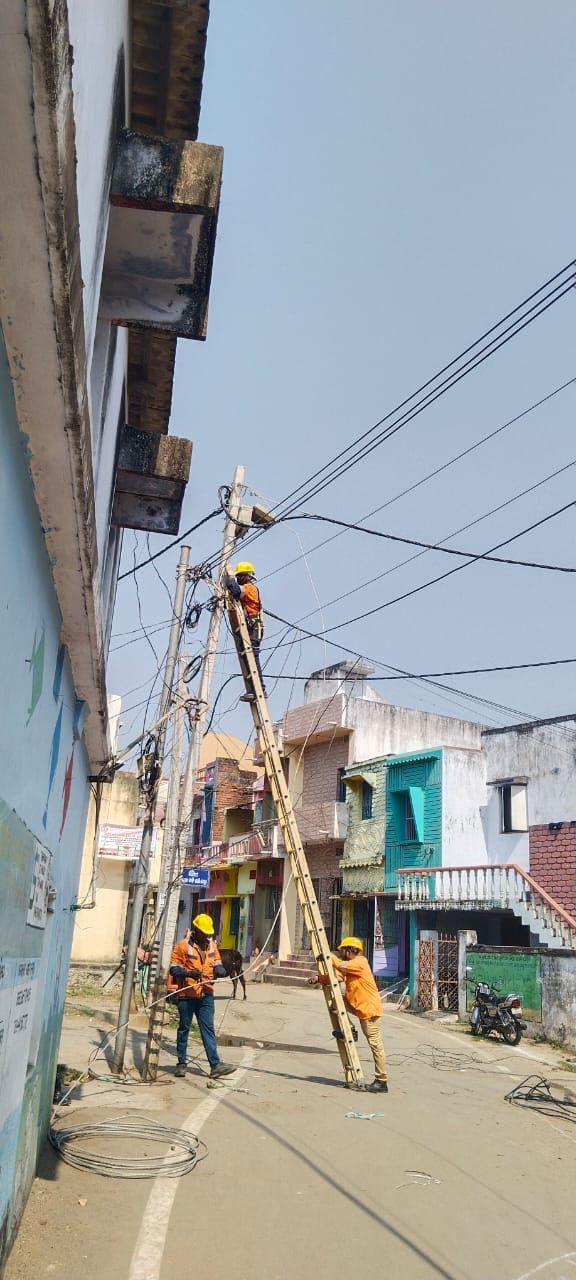
Decentralised fault response is identified as an important enabler of service improvement, particularly in geographically dispersed areas. A network of 131 Fuse Call Centres in urban areas and 811 Fuse Call Centres in rural areas supports first-level fault response across the licence area, while remaining digitally integrated with centralised monitoring and grievance redressal systems. The expanded rural footprint of these centres has helped address historically longer response times in rural locations, with the customer satisfaction score reaching 96 per cent in FY25.
The study situates TPCODL’s performance within the broader national power sector reform framework, noting its alignment with the objectives of the National Electricity Policy on efficiency, consumer centricity and financial sustainability, as well as the intent of the proposed Electricity Act amendments, particularly in relation to accountability and distribution efficiency. This alignment is reflected in TPCODL’s A+ rating in the 14th Annual Integrated Rating and Ranking by the Ministry of Power, marking three consecutive years of top-tier recognition for excellence in operational, financial and consumer-centric performance.