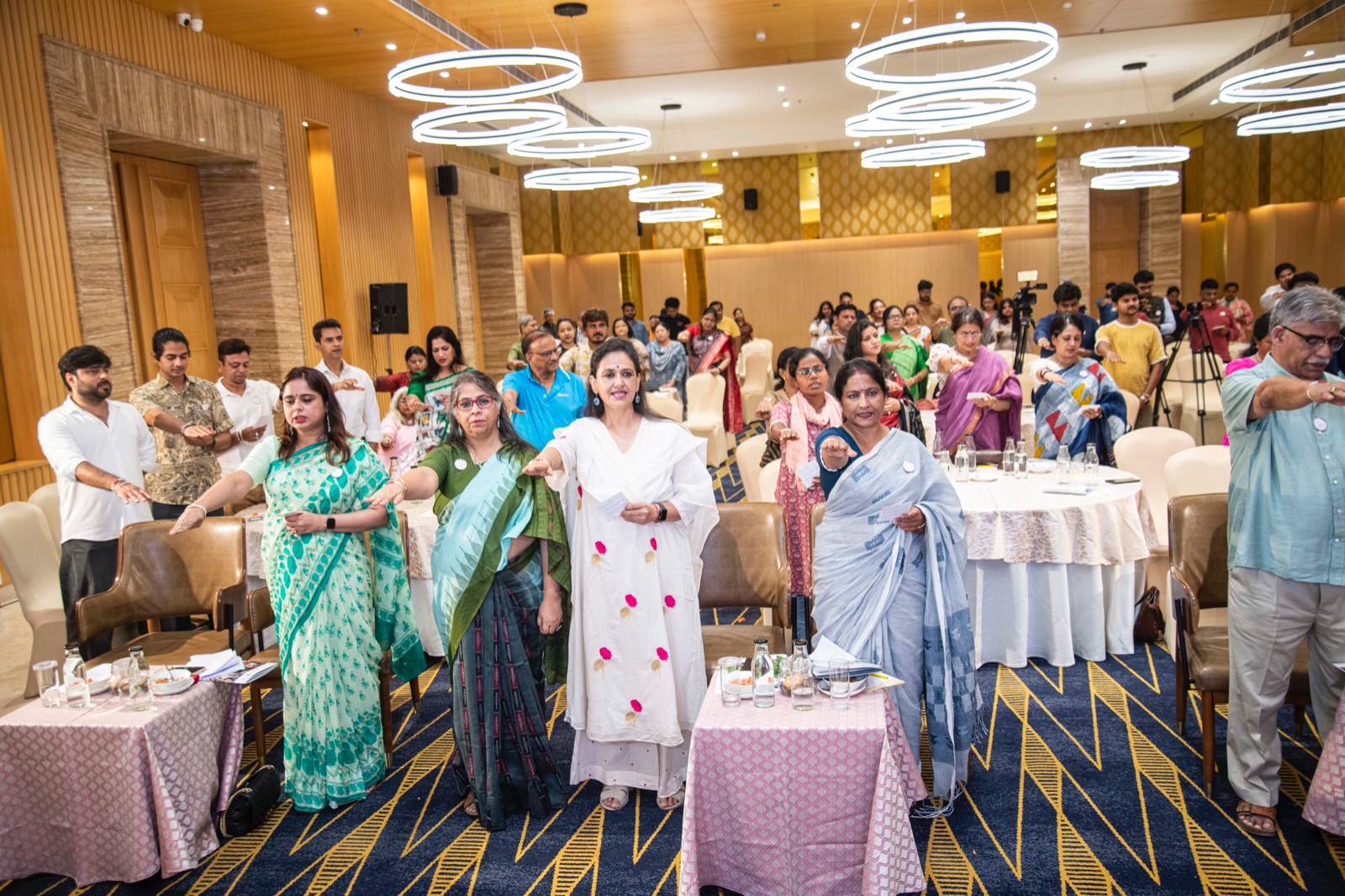
Bhubaneswar : To encourage more open, inclusive, and empathetic conversations around menstrual health and dignity, Aaina and UNICEF Odisha jointly organized “Creative Voices for Menstrual Rights & Dignity” as part of the Global Menstrual Health & Hygiene Day 2026 observance on Wednesday in Bhubaneswar.
The event brought together artists, musicians, actors, filmmakers, writers, storytellers, and media professionals to reflect on how creativity, culture, and public engagement can help challenge stigma and normalize conversations around menstruation.
Speaking on the occasion, Prasanta Dash, Chief Field Office, UNICEF Odisha, said, “Menstruation is not just a health or hygiene issue, but it is deeply connected to dignity, confidence, equality, education, and inclusion. While policies and judgments are important, changing mindsets requires more human conversations, empathy, and voices that people connect with emotionally. Artists and creators have a unique ability to influence society. A song can start a conversation inside a family. A film can challenge years of stigma. A story can make someone feel seen and understood. Even one honest conversation can encourage young people to speak more openly about menstruation and dignity.”
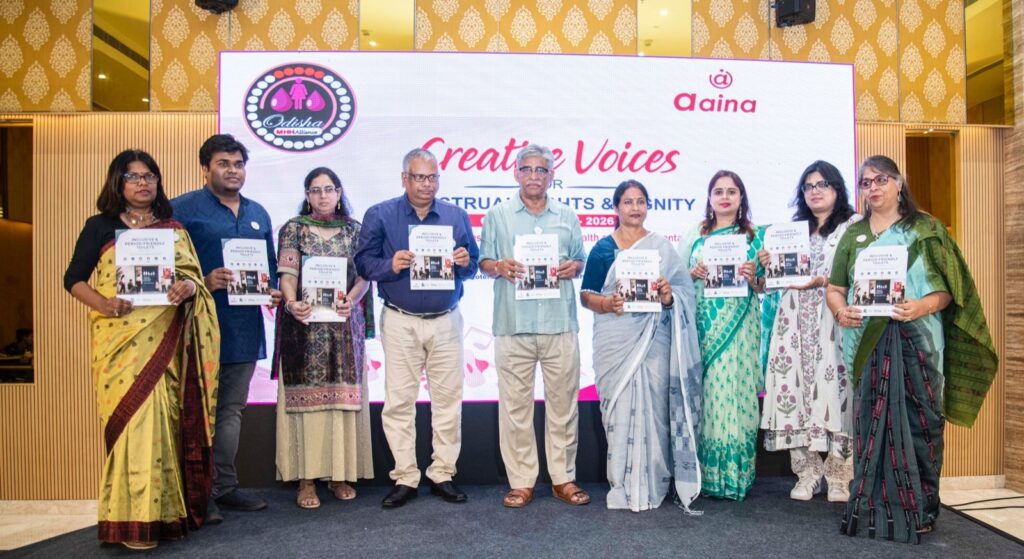
Addressing the event, Sneha Mishra, Secretary, Aaina, said, “The time has come for society to look at menstrual health not only from a hygiene perspective, but from a rights perspective — linked to dignity, equality, inclusion, and freedom. Conversations around menstruation must move beyond silence and shame towards empathy, awareness, and collective responsibility”.
Joining the discussion, Sulochana Das, Mayor, Bhubaneswar, emphasized the importance of normalizing conversations around menstrual dignity in homes, schools, and public spaces. She said, “Menstrual health is not merely a woman’s issue; it is a matter of dignity, health, and equal rights. As a society, we must break the silence and ensure that every girl and woman has access to safe menstrual hygiene facilities.”
Jagadananda, Co-founder of CYSD, said, “Despite continued efforts by the government and civil society to promote menstrual health awareness, taboos persist. He stressed that breaking these barriers requires a larger societal change and open conversations around menstruation”.
The discussions throughout the evening emphasized that while policies and systems are important, social change also begins with conversations — in homes, schools, workplaces, and communities. Participants also stressed the need to involve boys and men in conversations around menstrual dignity and inclusion.
Susmita Das, a well-known singer, said, “Music connects with people emotionally in a very personal way. If songs and performances can help young people speak more openly, comfortably, and without shame about menstruation, then art can truly become a tool for social change.”
As the evening concluded, participants collectively called for continued dialogue, empathy, and shared responsibility towards creating a more open, inclusive, and #PeriodFriendlyWorld.